

 Date: March 25th 2026
 Time: 08:30 – 13:00
 Location: Hilton Malta St Julian’s



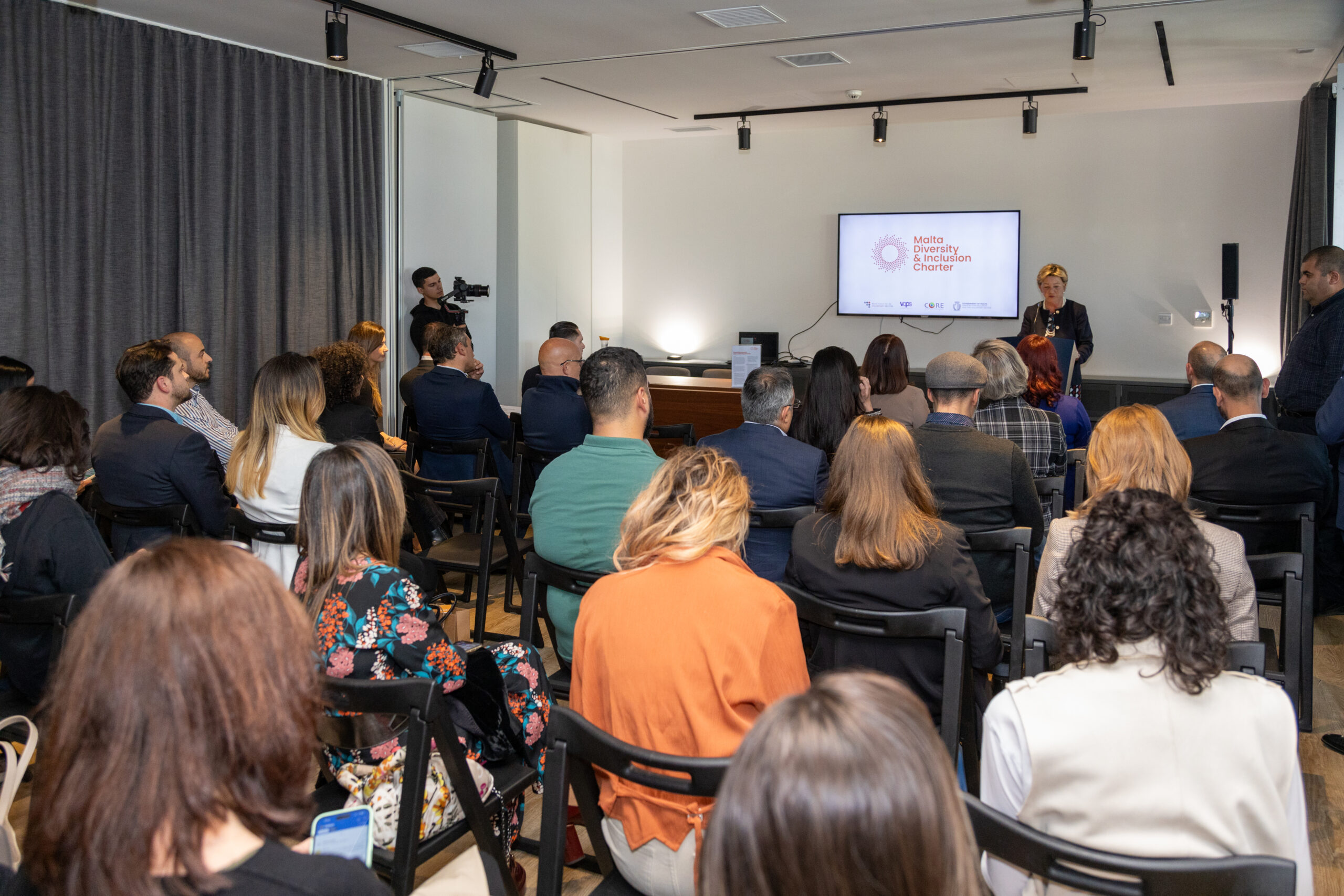


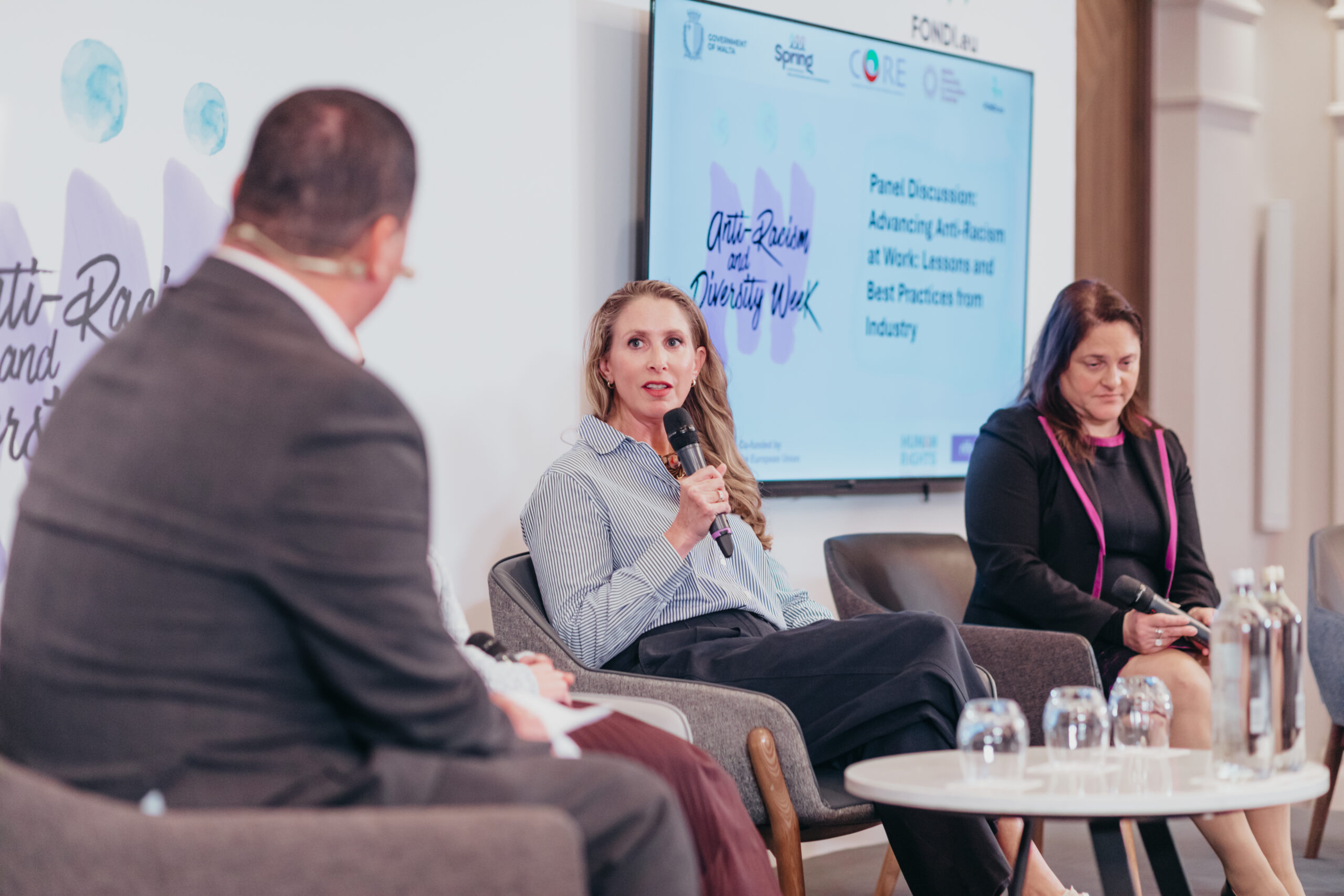
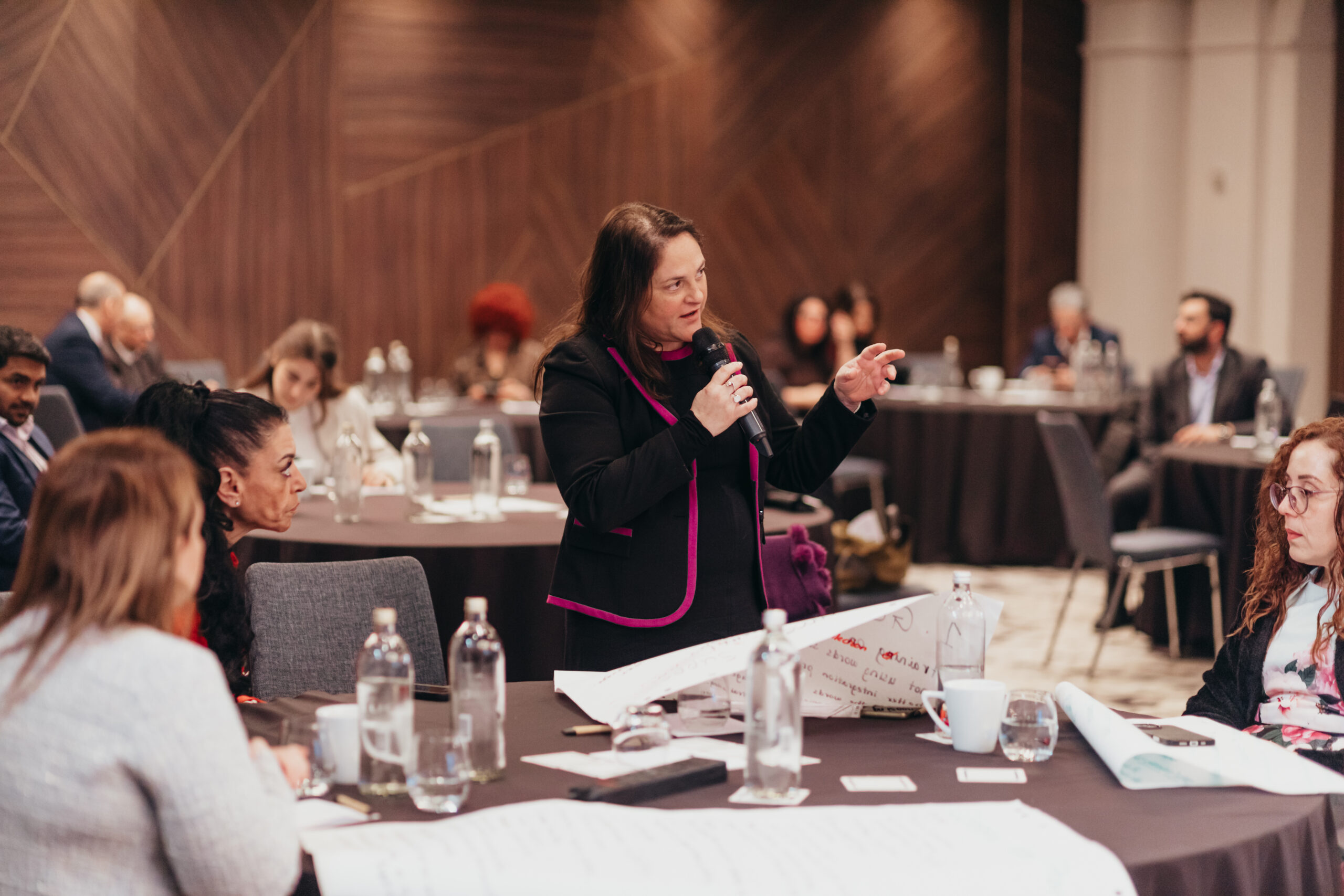
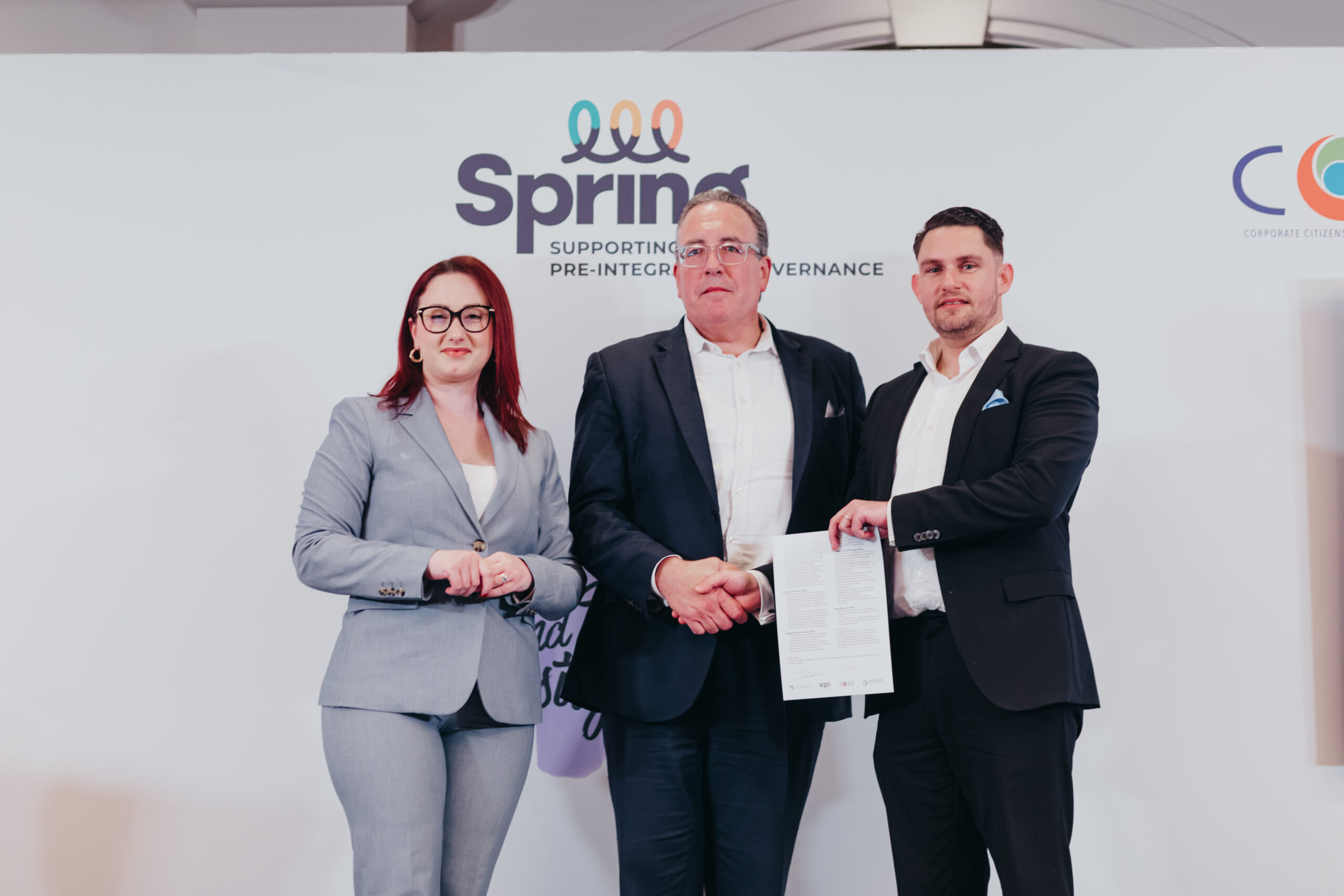
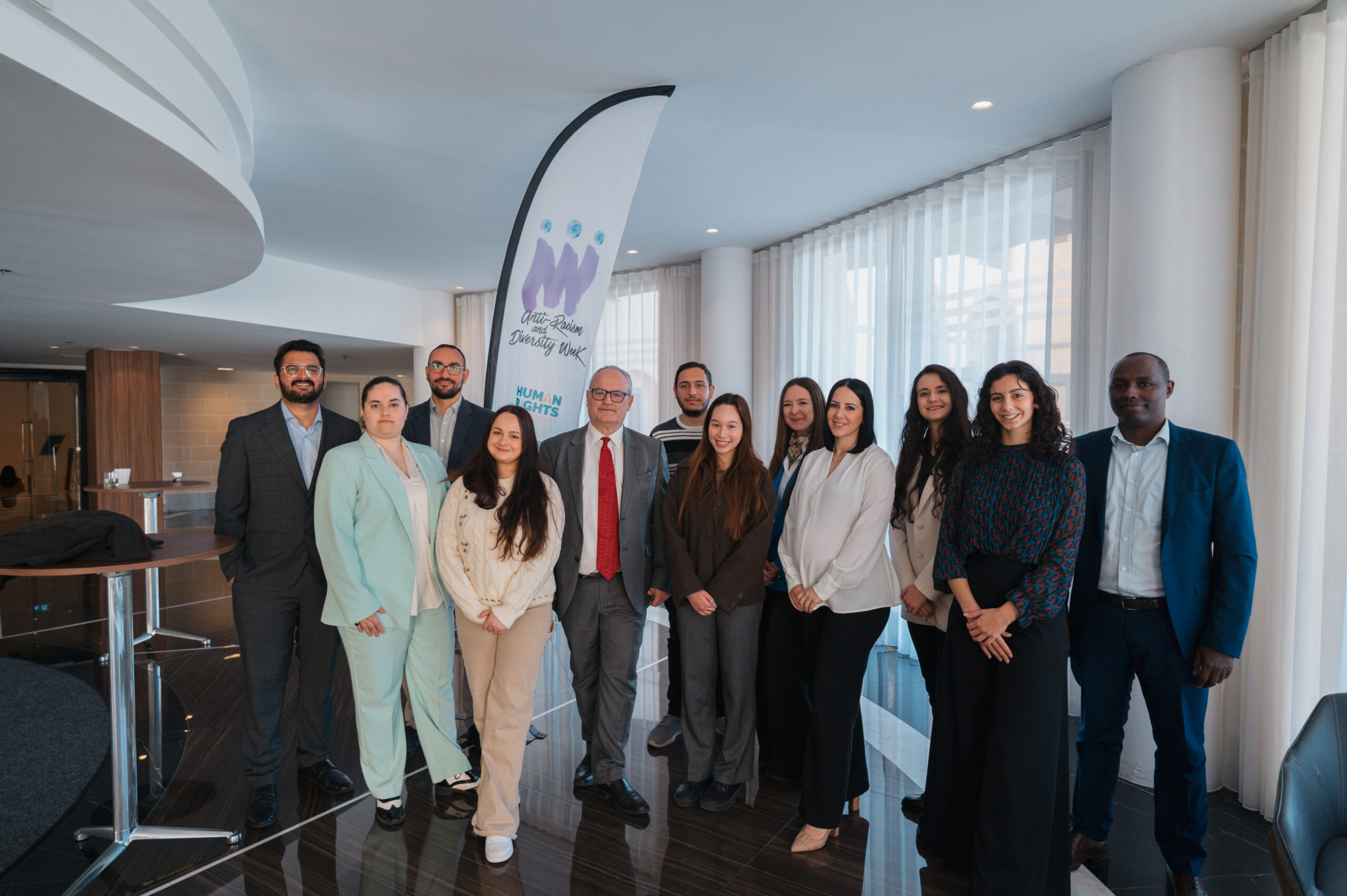
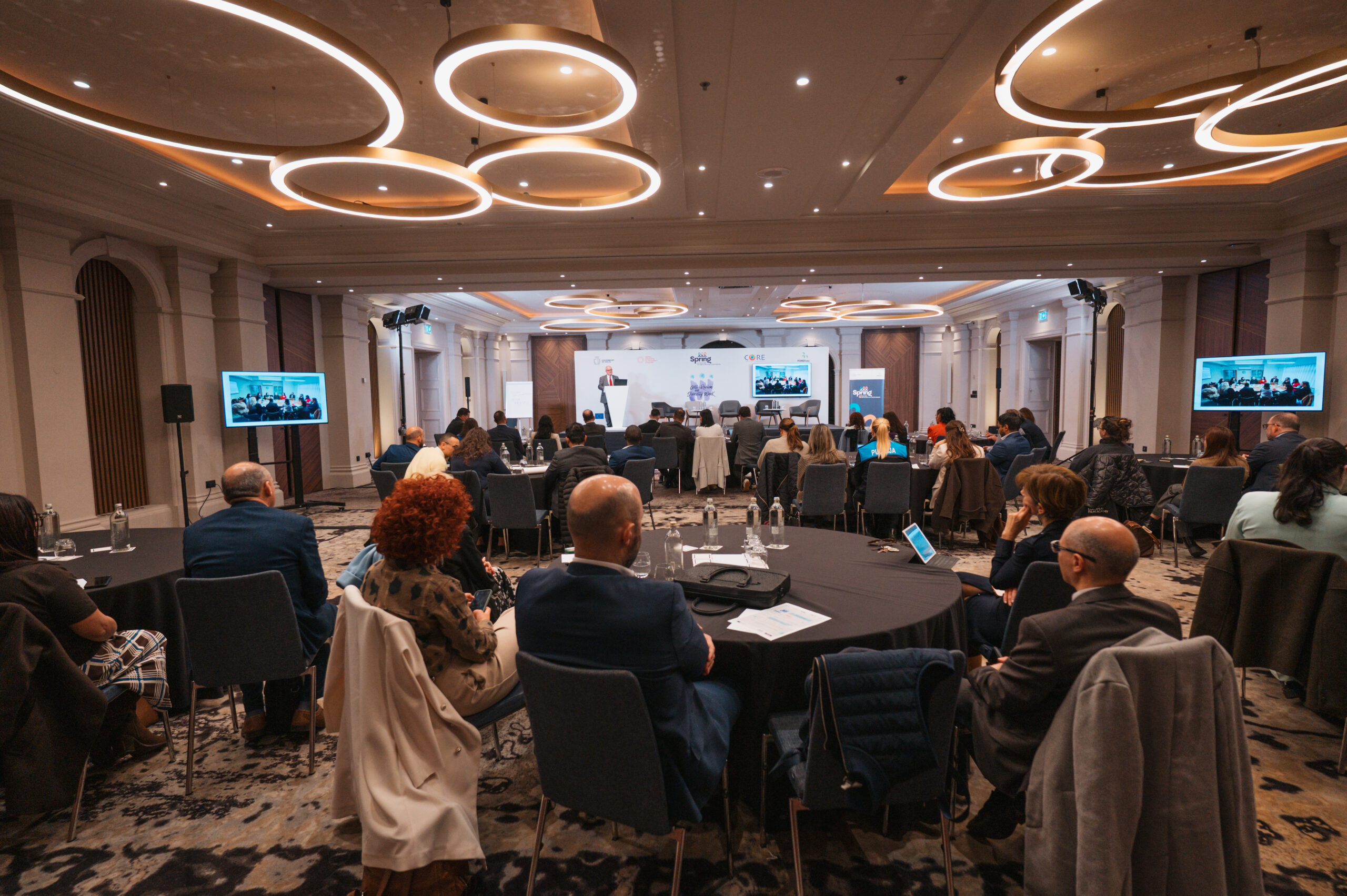
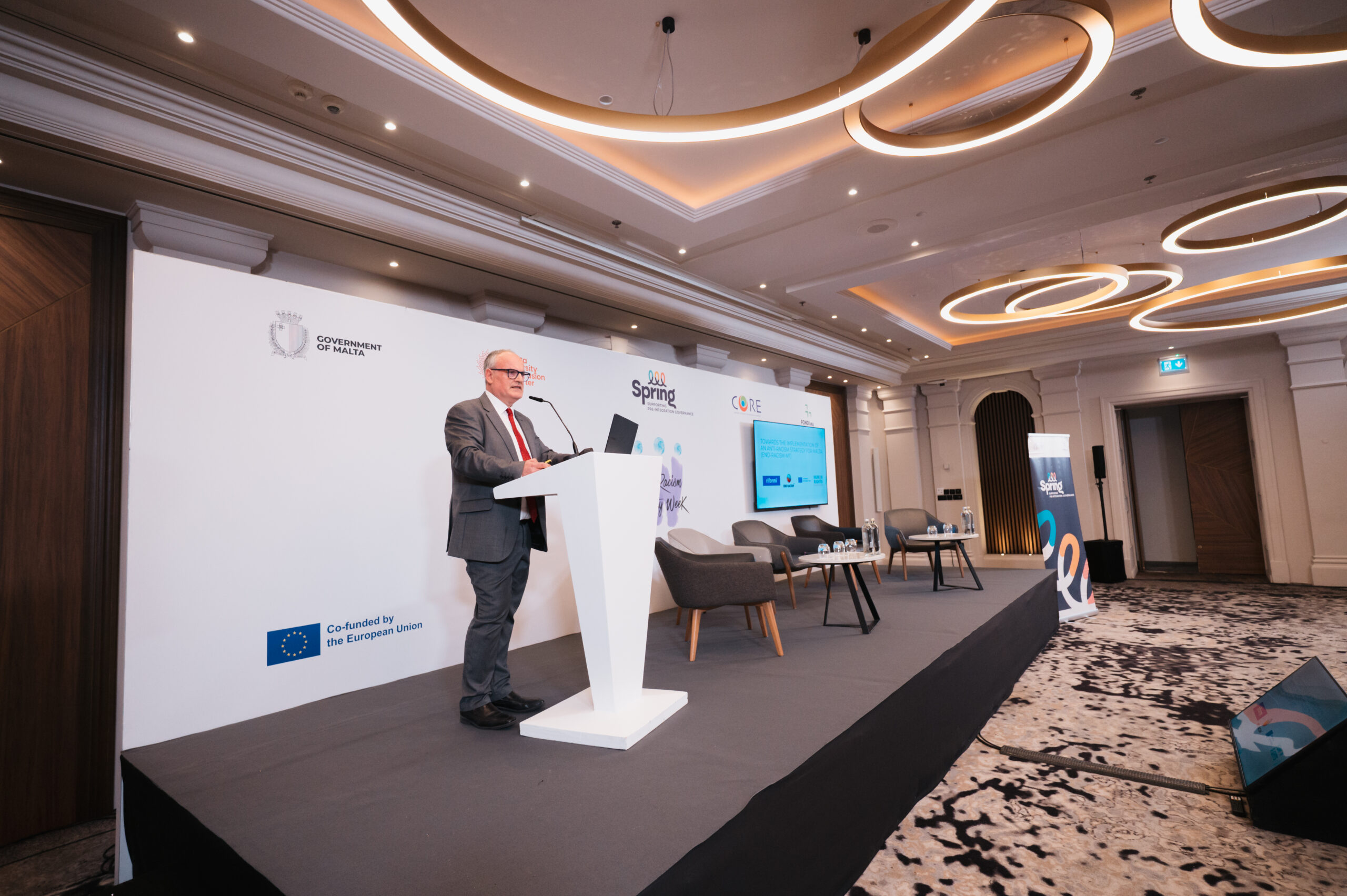
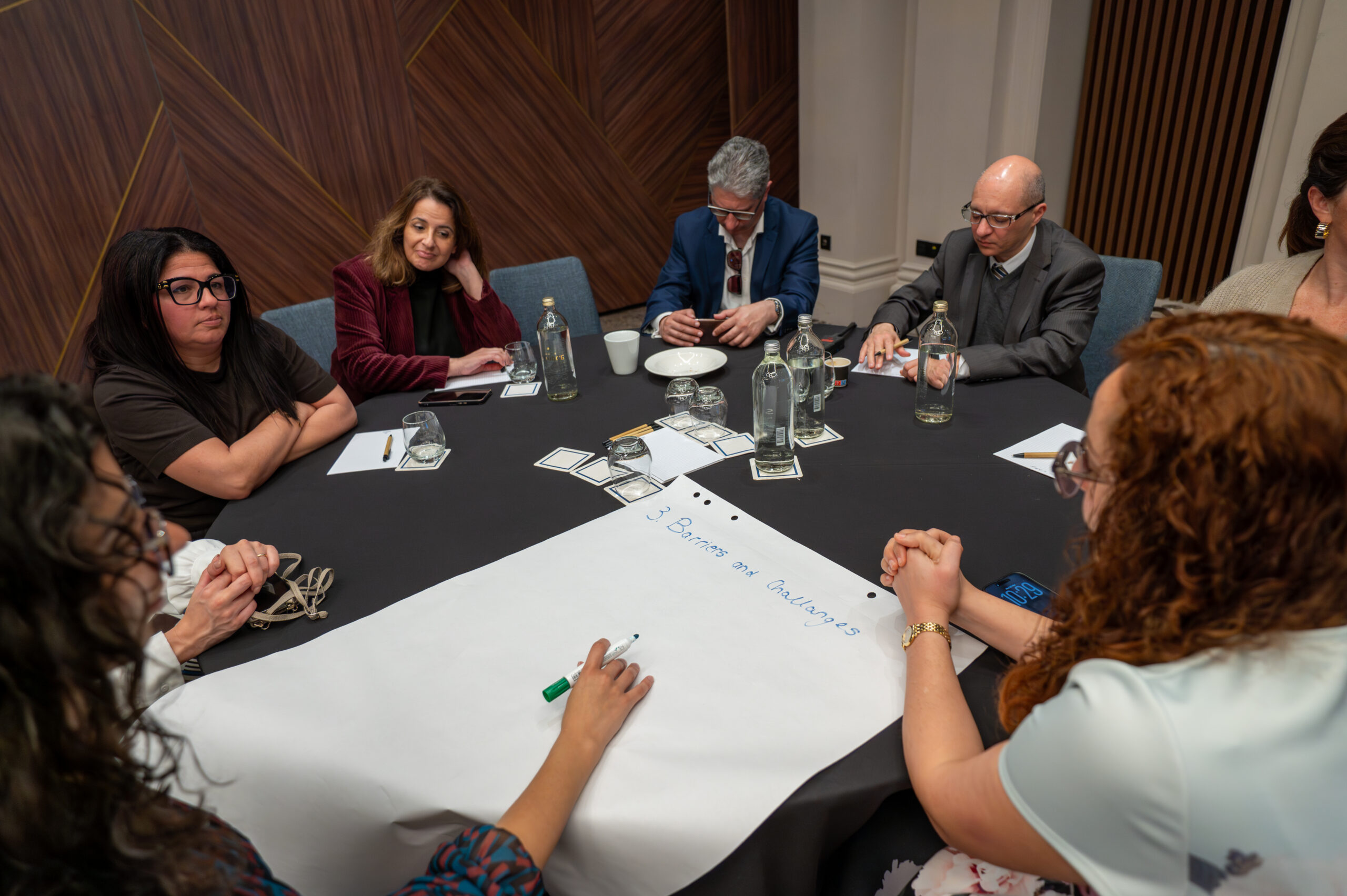
 To this extent, the Human Rights Directorate, in collaboration with CORE Platform and the Malta Diversity & Inclusion Charter organised a Business Breakfast marking Malta’s Anti‑Racism and Diversity Week, with a special focus on engaging the private sector and signatories of the Malta Diversity & Inclusion Charter.
This event brought together organisations committed to fostering inclusive workplaces, offering a platform to share best practices on diversity and anti-racism, explore opportunities for collaboration, and discuss how we can further support each other in strengthening this sector. As part of the discussions, we will also be working on tools needed to further support the private sector in anti-racism, along with the Diversity Charter, an initiative within Malta’s National Action Plan Against Racism 2025-2030.














 Date: December 5th 2025Time: 15:00 – 18:00Location: Central Bank of Malta – Valletta
Central Bank of Malta hosts third meeting for Malta Diversity & Inclusion Charter Signatories
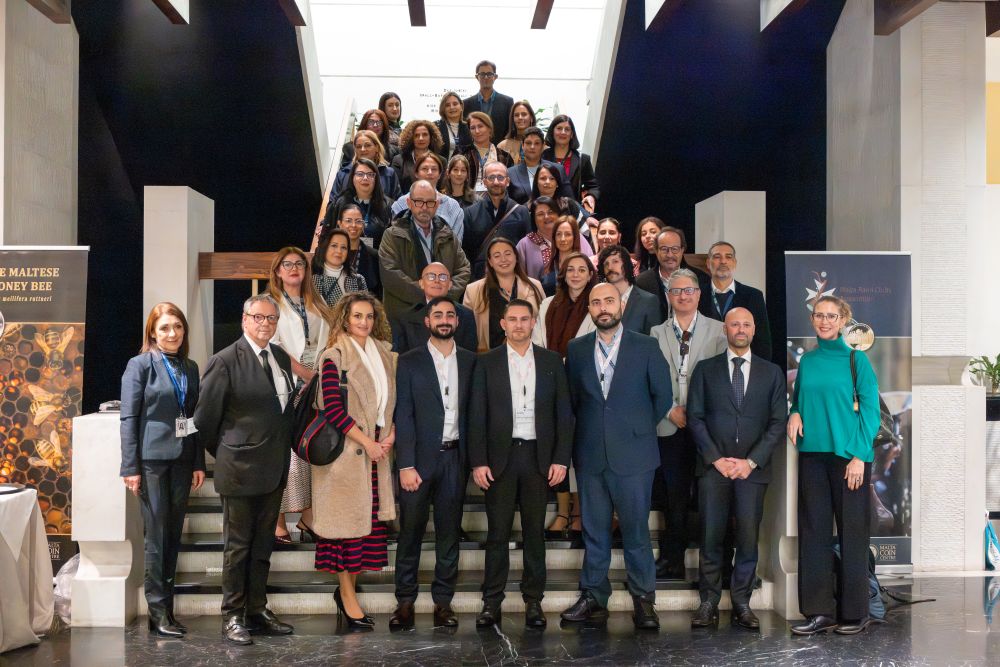
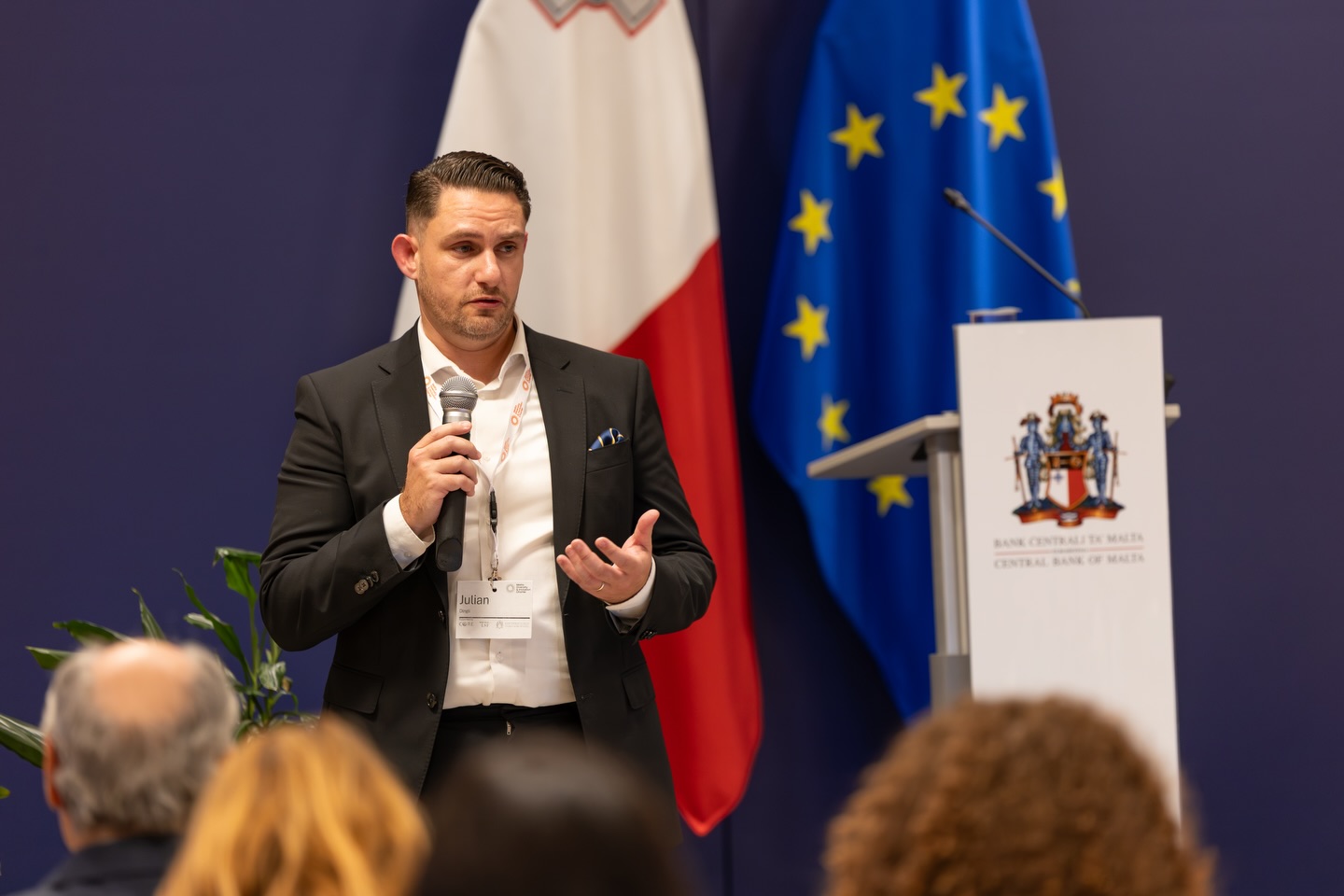
The Central Bank of Malta together with CORE Platform Corporate Citizenship for Responsible Enterprises Association hosted the third exclusive meeting for the signatories of the Malta Diversity and Inclusion Charter at the Central Bank of Malta premises on 4 December 2025.
The Governor of the Central Bank of Malta, Professor Edward Scicluna, delivered the opening remarks with a review on the Central Bank’s main roles and functions.
Governor Scicluna highlighted the Bank’s key responsibilities as a member of the euro area, including monetary policy, financial stability, payments, and the issuance of banknotes. He also underscored the Bank’s strong commitment to equality, diversity, and inclusion.
He noted that in 2021 the Bank adopted its Equality, Diversity and Inclusion Policy, strengthening its anti-discrimination framework. This was followed in 2022 by the signing of the ESCB and SSM Equality, Diversity and Inclusion Charter. In 2023, the Bank launched its EDI Strategy to promote a culture of integrity, respect, and awareness of unconscious bias. Most recently, in 2025, the Bank signed the Malta Diversity & Inclusion Charter, further integrating these principles into its operations.
These steps demonstrate the Bank’s ongoing determination to foster a supportive and inclusive workplace for all employees.
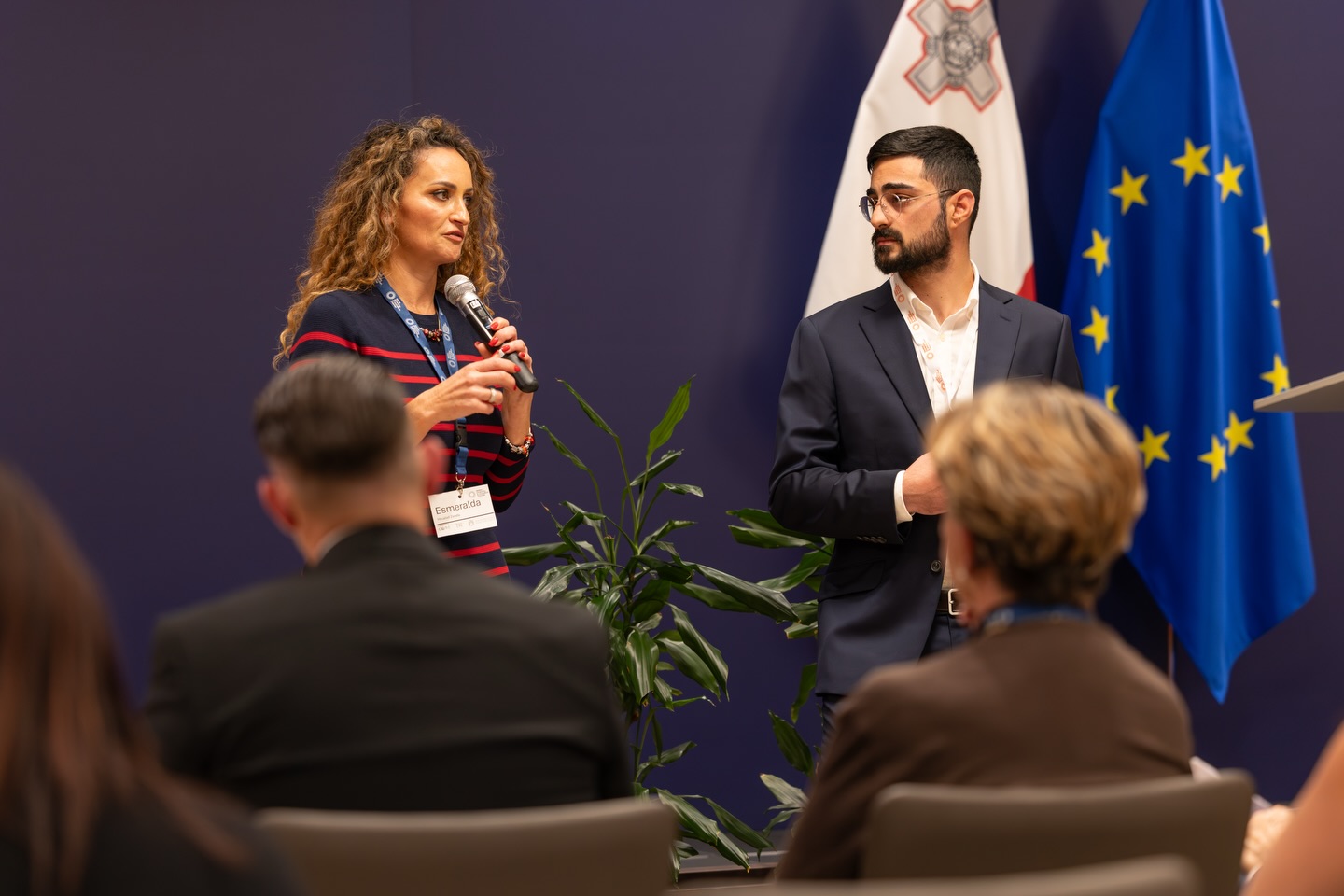
The keynote speech entitled “Supported Employment and Supported Business” was delivered by Esmeralda Zarafa and Kirsten Caruana for Lino Spiteri Foundation. This was followed by the premiere of a short video entitled “The Power of Diversity and Inclusion” and the welcoming of new Charter members. The following new signatories to the Malta Diversity & Inclusion Charter were welcomed: DHL Malta, Crane Authentication, JobsPlus, Calamatta Cuschieri, Superintendence of cultural heritage and Phoenix Wise Solutions Limited.
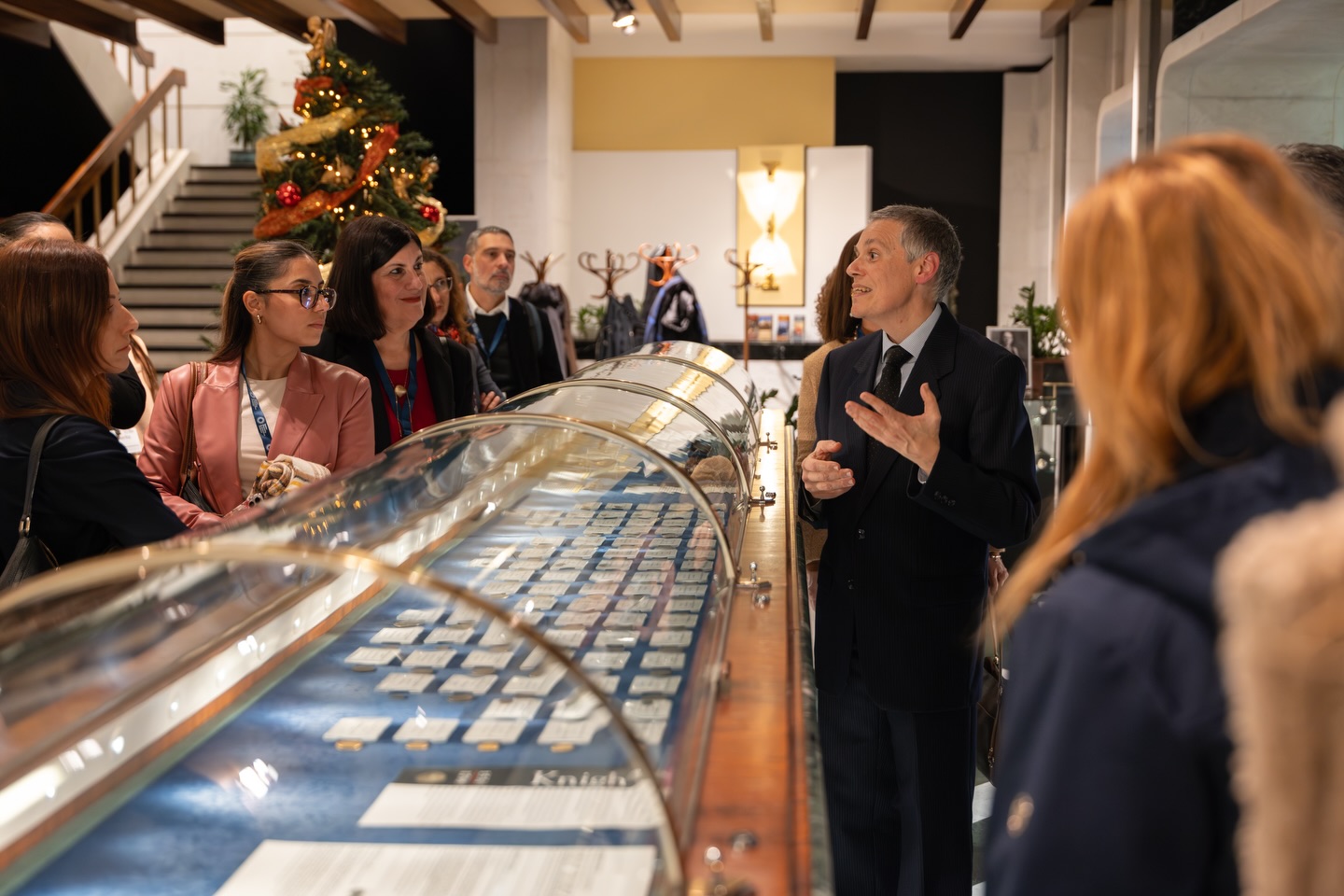
Subsequently, a tour of the Bank’s Currency Museum by Mr Kevin Cassar was conducted.






 Date: December 1st & 2nd 2025Time: 09:00 – 20:00Location: EC Rep Stockholm, Sweden + DLA Piper
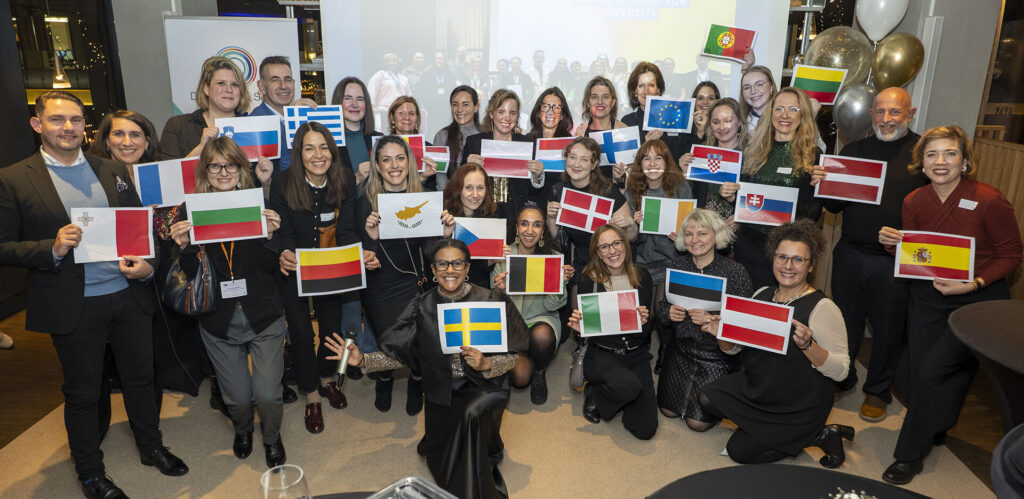
 The anniversary was commemorated with special event at DLA PIPER, including the launch of the Diversity Charter Sweden Awards to recognise member achievements, and a visit by representatives from EU counterparts.
From December 1–2, representatives from the 27 national Diversity Charters coordinated by the European Commission’s DG Justice met in Stockholm for focused discussions on EU-wide cooperation, opportunities, and platform strengthening. These meetings aim to enhance the value of the Diversity Charters Platform and support signatories through shared tools and best practices.
CORE Platform, CEO Julian Dingli participated in the meetings, representing the Malta Diversity & Inclusion Charter.
Date: October 23-24 2025Time: 09:00 – 20:00Location: Lamot Congress, Mechelen, Belgium. The CSR Europe Sustainable Industry Summit 2025 was held in Mechelen, Belgium, uniting European policymakers, industry leaders, and national CSR Europe partners including CORE Platform, for two days of critical dialogue on the future of responsible business. The overarching consensus was clear: integrating sustainability and Diversity, Equity, & Inclusion (DEI) is no longer a theoretical exercise but a fundamental component of corporate risk management and long-term viability.
The summit featured high-level insights from key European institutions, including:
-
Roberta Metsola, President of the European Parliament
-
Kuba Boratyński, Director at GROW G–Compliance and Responsible Business Conduct, European Commission
-
Ana Carla Pereira, Director for Equality & Non-Discrimination, DG JUST, European Commission
A central theme was the growing importance of DEI as a cornerstone of corporate sustainability. This was reinforced with direct inputs from the EU Platform of Diversity Charters, including representatives from Malta, Italy, Poland, and Luxembourg. Industry leaders from Toyota Motor Europe, Airbus, Hitachi Energy, and The Coca-Cola Company shared tangible case studies and success stories, moving the conversation from commitment to actionable practice.
A Call for Action Amidst Regulatory Shifts
In light of the European Parliament’s recent rejection of the Omnibus Directive, the summit delivered a critical message to businesses: this development does not negate the imperative for CSRD compliance. On the contrary, companies that delay risk severe consequences. Experts warned that by early 2026, even SMEs could face restricted access to finance and strategic partnerships if they fail to align with the evolving sustainability framework.
As national partners of CSR Europe, including CORE Platform, CSRHELLAS, CSR Latvia, and the Responsible Business Forum, we are committed to providing members with the essential knowledge, tools, and local guidance needed to navigate this complex landscape and build operational resilience.
Key Insights and Resources
The summit also served as the launchpad for the new book by Deep Parekh, PhD, “Corporate Sustainability at a Crossroads: What Future Shall We Choose?” The publication is highlighted as a practical guide for companies navigating this critical transition.
The key takeaway from the Lamot Congress Centre in Mechelen is unequivocal: the era of theoretical sustainability is over. Proactive investment in financial, environmental, and social sustainability is now essential to mitigate unprecedented risk and safeguard the future of business in Europe.
 Date: October 1st 2025Time: 18:00 – 20:00Location: Europe House – Valletta – Malta
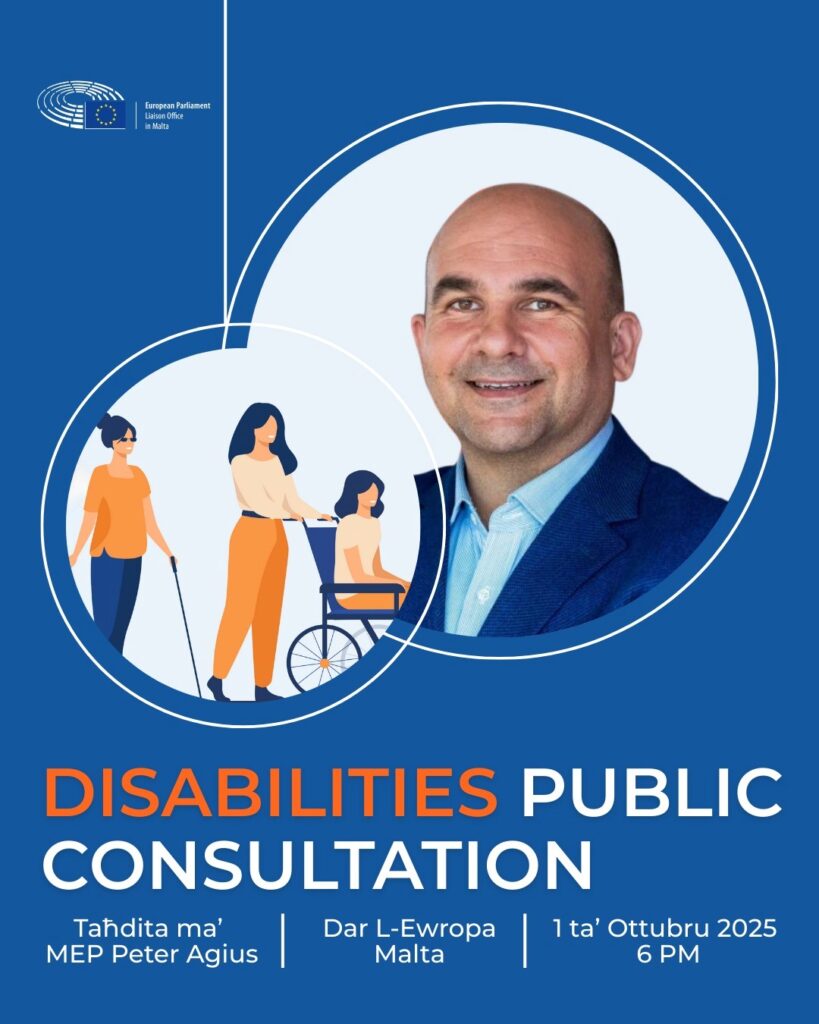
The European Parliament Liaison Office in Valletta, with the support of the Malta Diversity & Inclusion Charter managed by CORE Platform, held a Public Consultation in the presence of MEP Peter Agius on 1st October 2025 at Europe House, Valletta, Malta. As MEP Dr Peter Agius has been appointed shadow rapporteur for the Disability INI file in both the PETI and SANT committees. This is a timely and valuable discussion. Among the key proposals, the report is calling for the integration of disability-specific initiatives into the EU’s AI and digital transformation agenda, leveraging technologies such as speech recognition to improve communication for persons with hearing and speech impairments. Further amendments stress the need for inclusive education from early childhood through to higher education, and for equipping educators with inclusive teaching methodologies. MEP Peter Agius is now also launching an open online public consultation with the aim of allowing persons with disabilities themselves to provide feedback and contribute to the changes they consider necessary in matters that affect their daily lives.
 Date: May 14th 2025Time: 08:30 – 15:30Location: Xara Lodge Malta
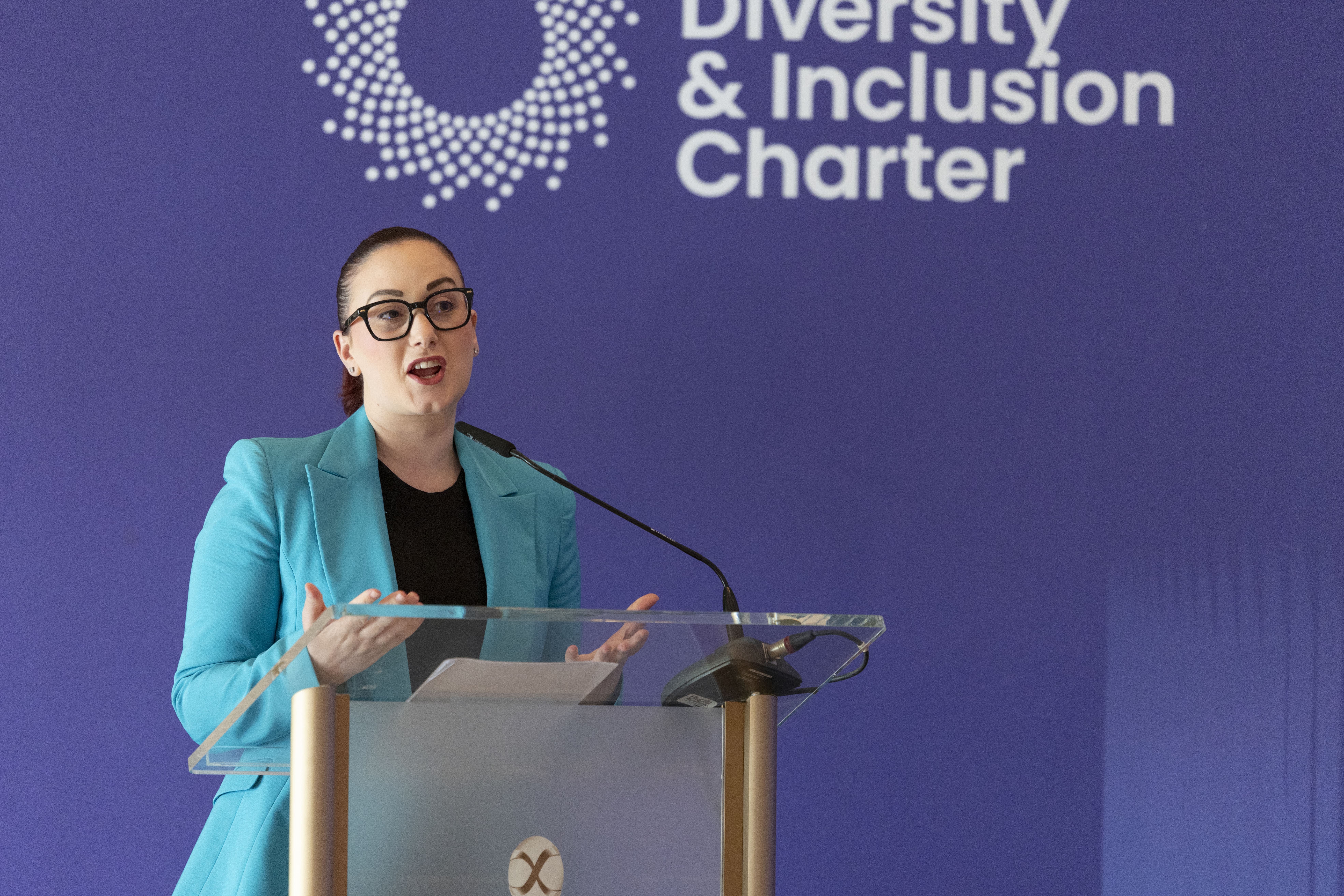
“Today, we gather not just to discuss ideals, but to ignite action because diversity and inclusion are not abstract concepts; they are the very foundation of a thriving, innovative, and respectful society.”



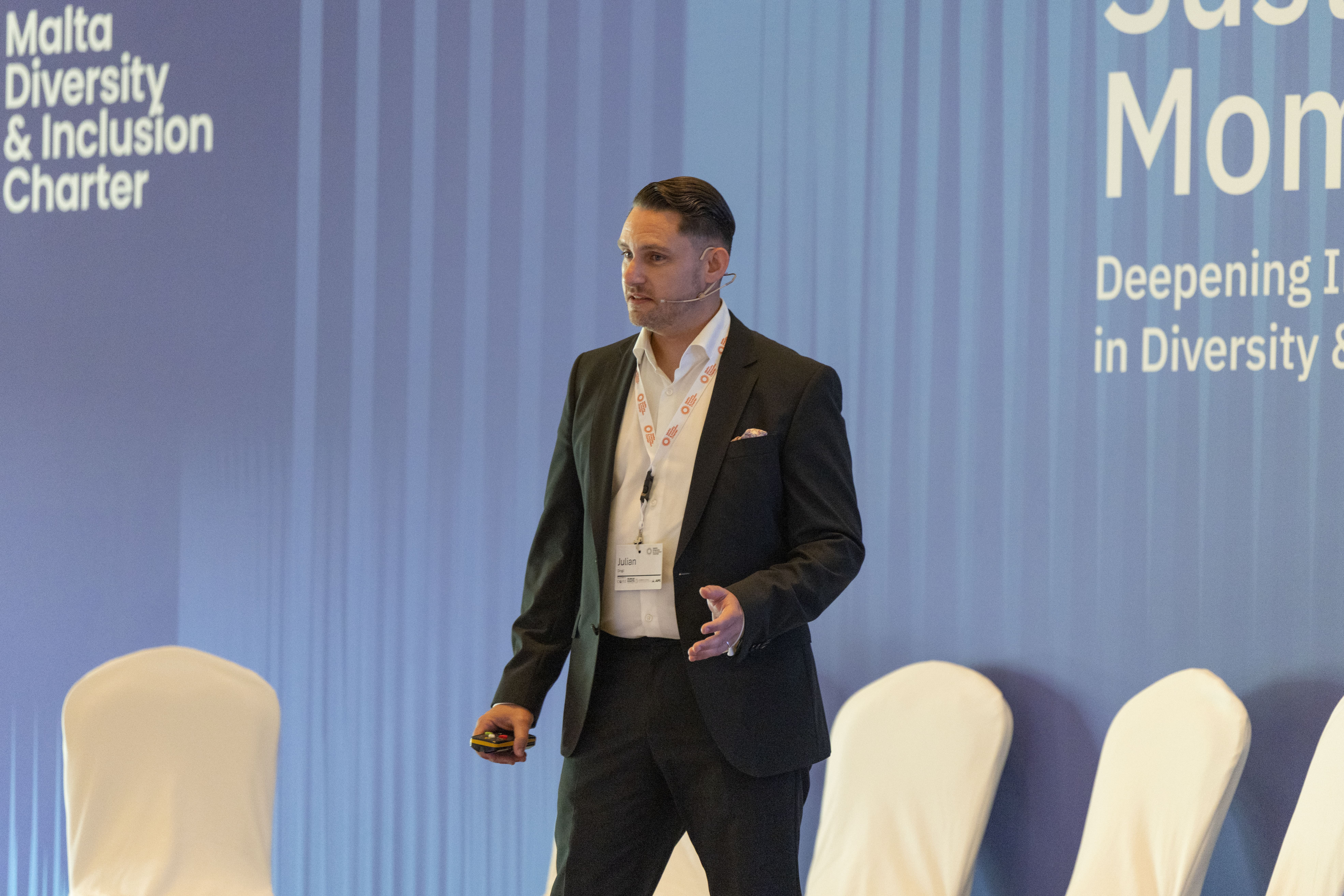
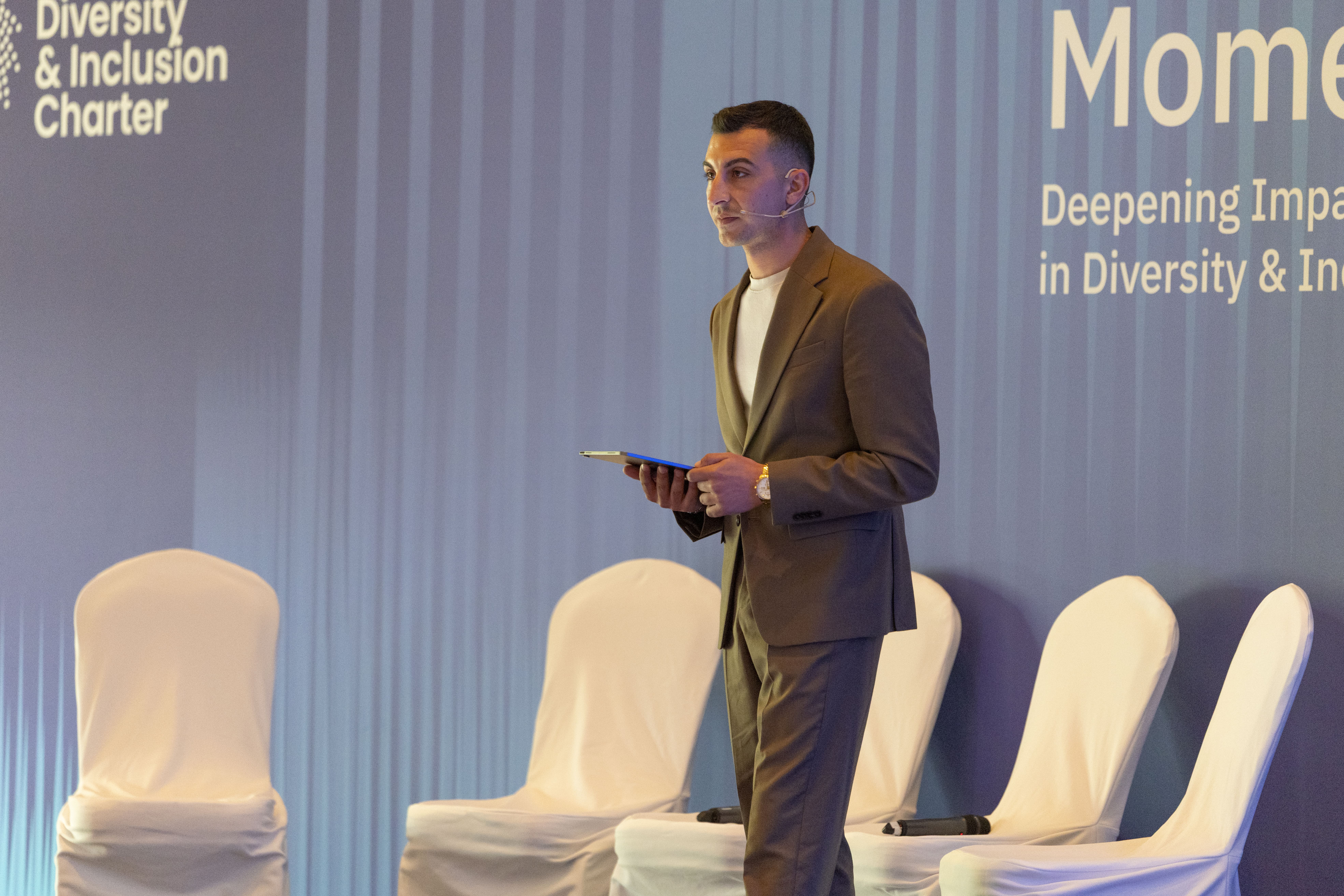

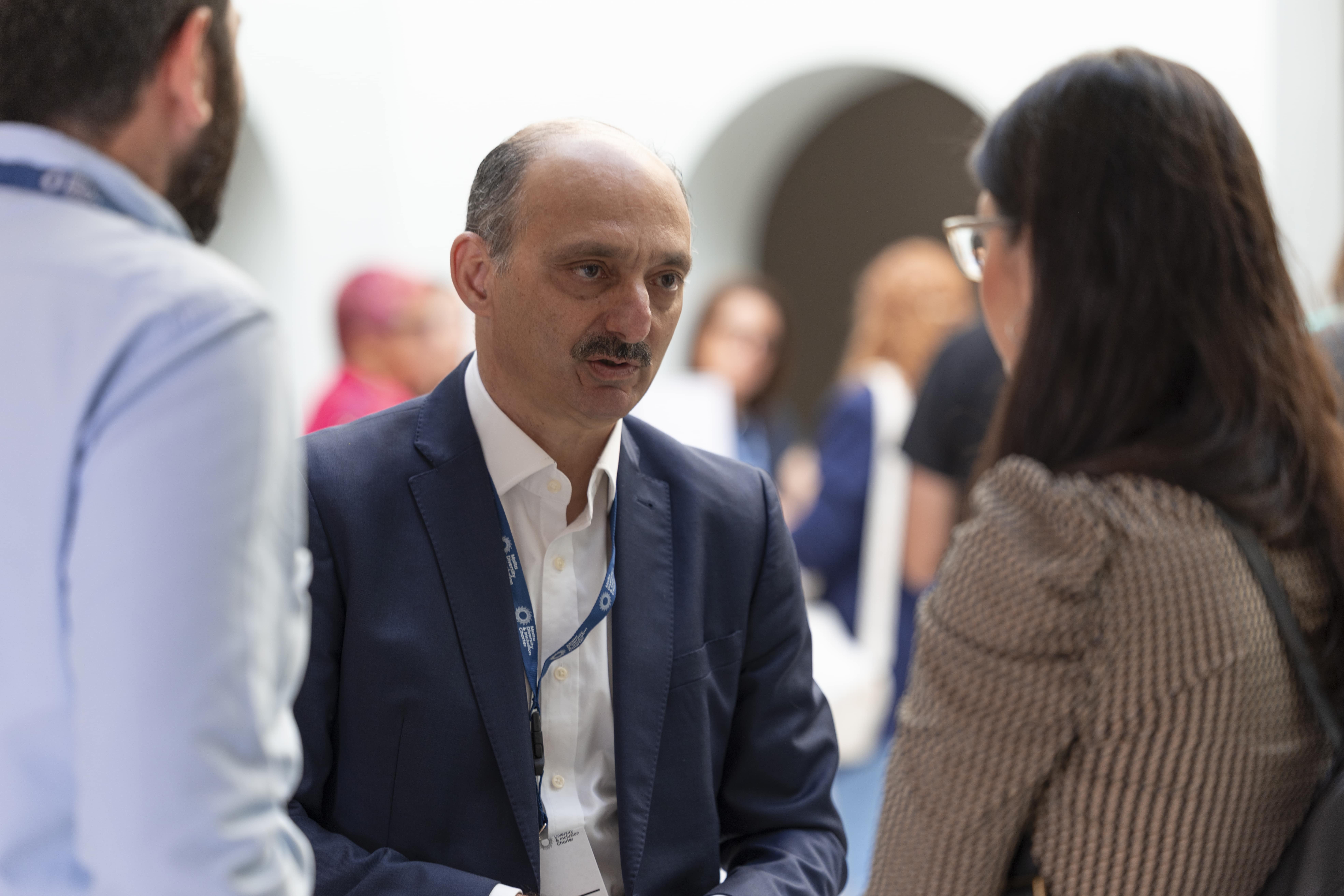

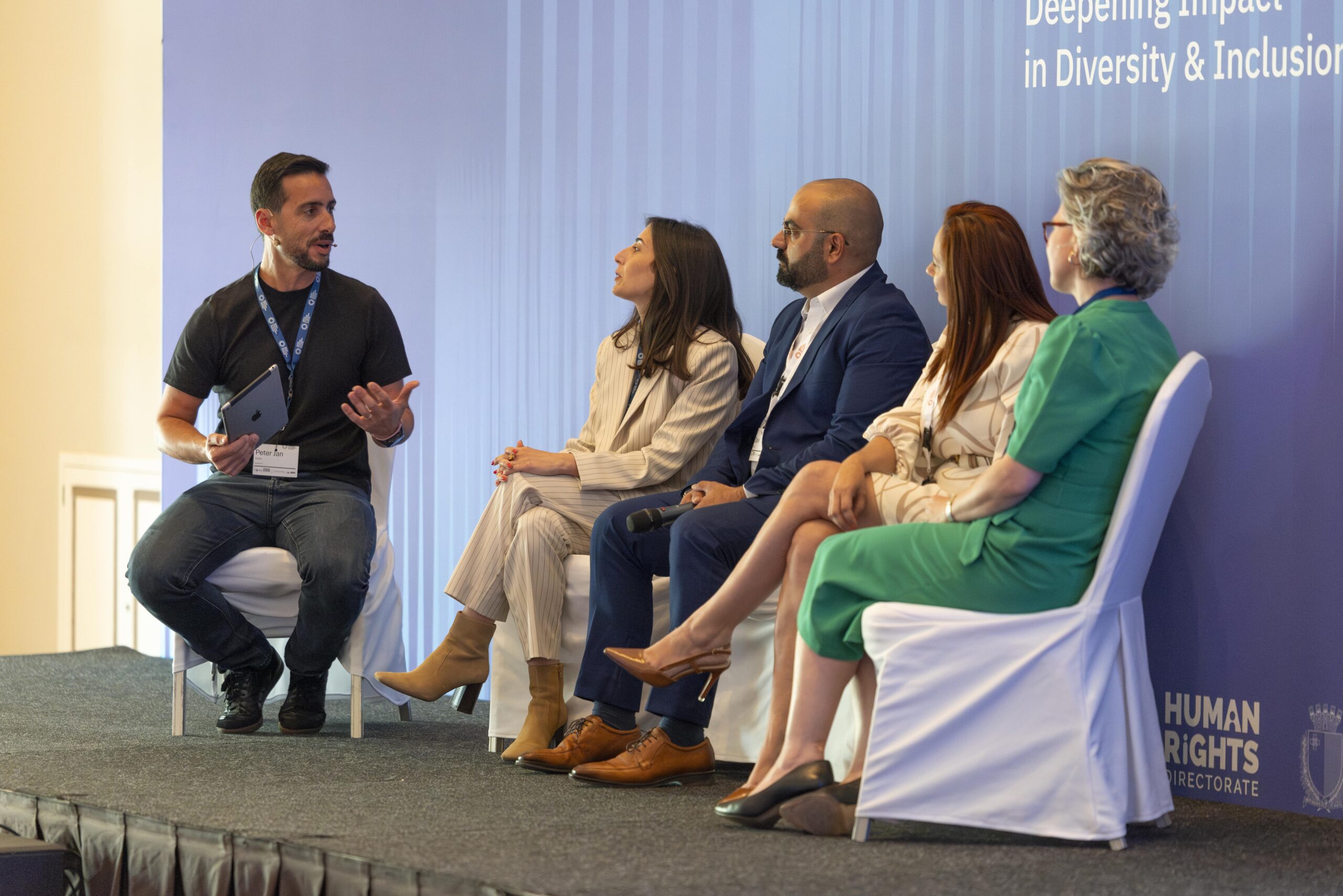


 Date: April 29th – 30th 2025Time: Full dayLocation: Brussels Belgium
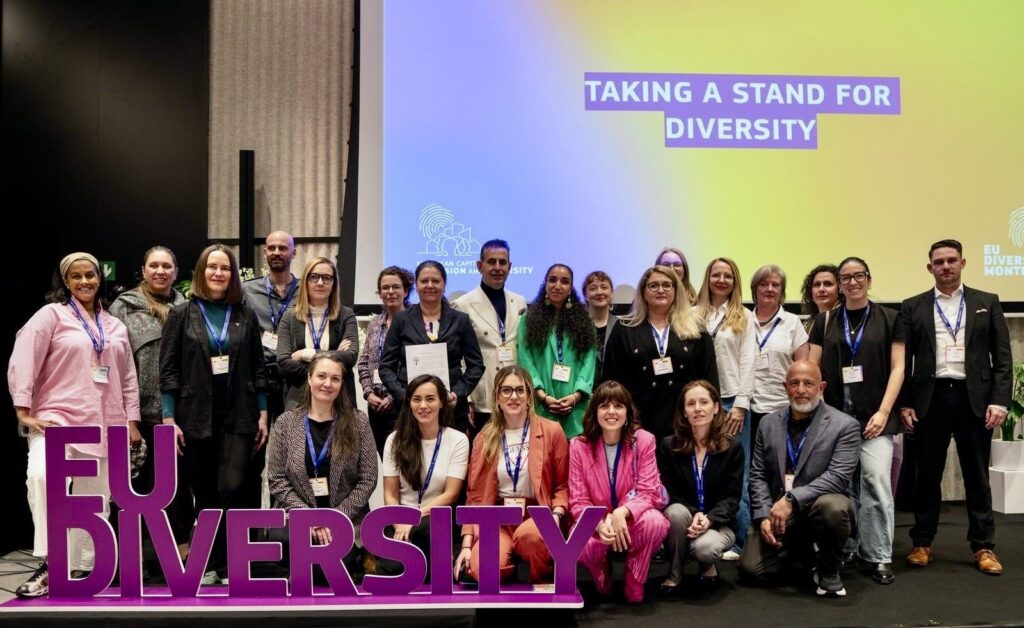
On 29th and 30th April, the European Platform of Diversity Charters, managed by the European Commission’s DG JUST, hosted its annual European Diversity Month opening event and the European Capitals of Inclusion and Diversity Award.
Amidst global turmoil and growing backlash against DEI (Diversity, Equity, and Inclusion) efforts—including from the Trump administration—the 27 national Diversity Charters, including Malta’s, came together to draft and sign a collective pledge reaffirming their commitment to advancing DEI across Europe.
On 29th April, the pledge was formally presented to Ms. Irena Moozová, Deputy Director-General for Equality and Union Citizenship at the European Commission’s Directorate-General for Justice (DG JUST).
 Date: January 13th – 14th 2025Time: Full dayLocation: Paris France
 The celebration on Monday evening was held at the iconic L’Olympia and featured a captivating show dedicated to diversity and inclusion. The show by Madame Arthur , the legendary Pigalle cabaret known since 1946 for its bold and eccentric style was simply brilliant. The EU Platform of Diversity Charters meetings on the 13th and 14th offered a further opportunity to reflect on foundational values, explore the future of diversity in Europe, and exchange best practices. These insightful discussions were held at the European Commission Representation offices in Paris, enriched by contributions from leading French companies.


 Date: November 22nd 2024Time: 14:00Location: Archbishop’s Curia, Floriana. Malta
 Addressing Core Platform’s first exclusive event for Malta Diversity & Inclusion Charter Signatories held at the Archbishop’s Curia in Floriana with the topic “Women on Boards”, EP President, Roberta Metsola highlighted the need for greater diversity at all levels as well as the importance of encouraging more women to assume leadership roles. She acknowledged the concerns of gender inequality at corporate level and reiterated the EU’s commitment to fostering inclusivity and gender balance in corporate governance.
Dr Metsola also spoke about the importance of the EU Directive on women in leadership, which targets 40% female representation in non-executive director roles by 2026 for private listed companies across Europe. She highlighted the need for greater diversity at all levels and the importance of encouraging more women to assume leadership roles.
Led by CORE President Helga Ellul and Julian Dingli, the event marked a significant milestone in fostering diversity and inclusion in Malta, while providing an enriching cultural and historical experience for the signatories.